One of the most common questions I’m asked is: “What does grief feel like?” And the truth is, there’s no single answer to that question.
Everyone experiences grief differently for many reasons, including:
- Culture and background
- Your relationship with your loved one
- Past experiences with grief
- How the loss occurred
- Your support system
- Your personality and coping mechanisms
But I can share what grief felt like for me—in hopes that it helps you feel less alone in whatever you’re experiencing.
The Emotional Landscape
Personally, I felt alone, even when surrounded by people who loved me. Grief is incredibly isolating because no one can truly understand the unique pain of your specific loss.
I felt empty inside, like something essential had been carved out of me. There was a hollow space where my son used to be, and nothing could fill it. I still feel that emptiness at times, though it’s become more bearable.
The Mental Fog
I had a hard time concentrating. Simple tasks that once required no thought became overwhelming. Reading a book? Impossible—I’d read the same paragraph five times without comprehending a word. Making decisions? Even choosing what to eat felt like too much.
Functioning at work was a struggle. I went through the motions, but I wasn’t really present. Part of me was somewhere else—with my son, trying to understand what had happened, replaying the last moments I saw him.
Withdrawal and Fear
I found myself withdrawing from life, wanting to remain at home where I felt safe and didn’t have to pretend to be okay. The outside world felt too bright, too loud, too normal. How could the world keep spinning when mine had stopped?
Anxiety and fear became constant companions, especially about my other children’s safety. Every phone call made my heart race. Every time one of them was late coming home, I imagined the worst. The trauma of losing Shaun made me hyperaware of how fragile life is, how quickly everything can change.
I was afraid to leave my house. What if something happened while I was gone? What if I wasn’t there to protect my remaining sons? These fears weren’t rational, but grief isn’t rational.
Desperate Hope
In the first year of grief, I missed my son so much and prayed for a visit from him. I begged God to send him back, and I really thought he just might. I looked for signs everywhere, desperate for proof that he still existed somewhere.
Every bird, every song on the radio, every unexpected occurrence felt like it might be a message from him. I needed to know he was okay. I needed to know our connection wasn’t severed forever.
The Common Thread
While everyone’s grief is unique, there’s one thing we all share: the hurt and pain in our hearts.
That pain looks different for each person. It manifests in different ways. Some people become angry. Some become numb. Some cry constantly. Some can’t cry at all. Some throw themselves into work. Some can’t get out of bed.
All of these responses are valid. All of them are grief.
What I Want You to Know
If your grief looks different from mine, that’s okay. If you’re experiencing symptoms I didn’t mention, that’s okay too. There’s no “right way” to grieve. There’s only your way—the path you must walk through this impossible loss.
What matters is that you’re gentle with yourself. That you allow yourself to feel whatever you’re feeling without judgment. That you reach out for support when you need it.
You’re not alone in this, even when it feels like you are.
If you’re walking through grief right now, I see you. I honor your pain. And I want you to know that healing is possible, even when it doesn’t feel like it.
Read My Full Story
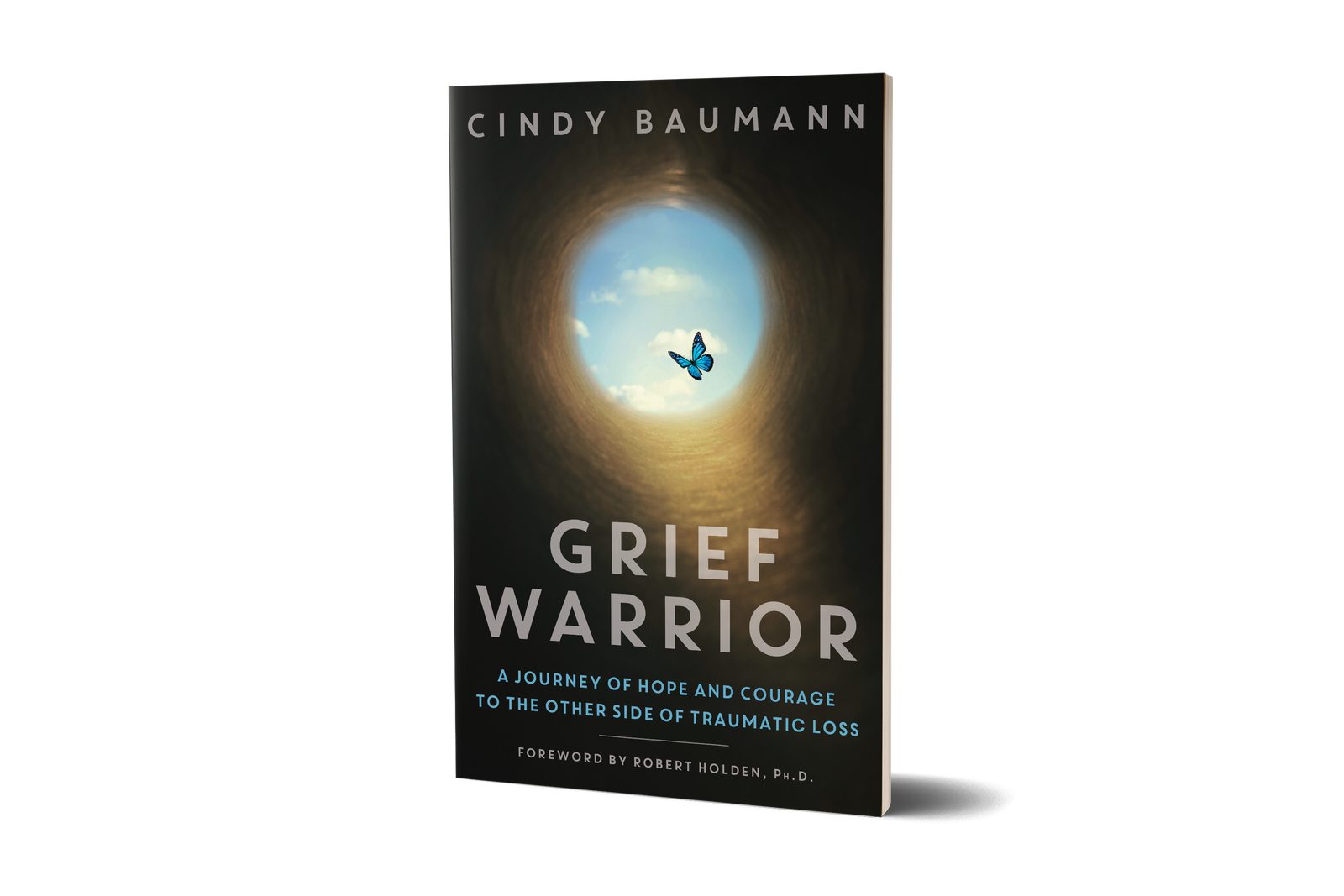
In "Grief Warrior," I share my complete journey from devastating loss to hope and transformation.
Learn About the Book